
Changsha Kiln and Underglaze Colour: A Practical Guide for Ceramic Buyers
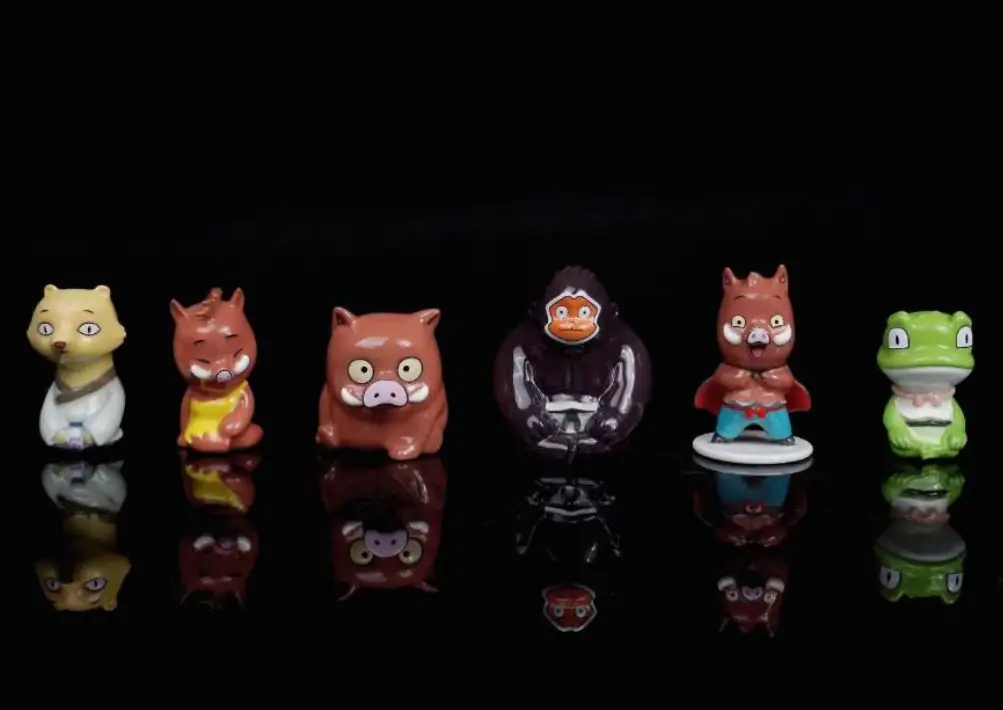
The "Tribute to Changsha Kiln" exhibition opened at the Changsha Tongguan Kiln Museum on 7 June 2026 and runs to 16 August. Ninety-nine pieces from China and abroad are on show, restoring the Tang dynasty technique of underglaze coloured porcelain while adding modern materials and ideas. A training programme for Tongguan ceramic craftsmanship launched alongside it.
It is a good exhibition. It is also, for anyone who buys ceramics, a useful reminder that the decoration on your product is a process decision with a cost and a legal consequence - and that the three processes buyers lump together as "painted" are not remotely the same thing.
Why a 1,200-year-old kiln is relevant to a purchase order
Tongguan kiln, in what is now Changsha, was the first major Chinese site to paint colour under the glaze rather than on top of it. Before that, decoration was either incised into the clay or applied as an overglaze enamel that sat on the surface and could wear off. Putting copper and iron oxides under a clear glaze and firing them together changed what a ceramic object could be: the image became part of the body, not a layer on it.
Every durable printed mug you have ever bought descends from that decision. So does the difference in price between two mugs that look identical in a photo.
The three decoration routes, and what they cost
When a supplier quotes "decorated ceramic", they mean one of these. Ask which, every time.
1. Underglaze, in-glaze transfer (decal)
A printed transfer is applied to the unfired or once-fired body, then covered with glaze and fired at 1,180-1,300°C. The decoration fuses into the glaze layer. Result: dishwasher and microwave safe in most cases, colour that cannot be scratched off, and excellent batch consistency, because the transfer is printed once and reused.
This is the default for volume mugs, plates and giftware. Under a 10x loupe the print shows as a regular dot screen; that is normal and not a sign of low quality. Cost index: 1.0.
2. Hand-painted underglaze
A painter applies cobalt, iron or copper with a brush. The stroke density varies by hand, the colour deepens where the brush rested, and no two pieces are identical. Fired under the glaze, so it is as durable as transfer work, but three to five times the labour.
This is what "hand-painted" should mean. Cost index: 3.0-5.0, and the second-quality rate rises because a painter's error is not recoverable.
3. Overglaze enamel or decal
The piece is glazed and fired first, then decorated and refired at 750-900°C. The palette is far wider - bright reds, gold, lustre - and fine detail is easier. The decoration sits on the surface, which means it can wear, and the low firing temperature is why overglaze colours carry the stricter leaching risk.
This is the right process for a decorative figurine, a gold rim, or a piece that will never hold food. It is the wrong process for a children's mug. Cost index: 1.5-2.5, plus a higher failure rate on the second firing.
Matching process to product
- Daily-use mug or bowl: underglaze or in-glaze transfer. The piece has to survive a dishwasher and a microwave, and the colour has to survive both.
- Decorative figurine or sculpture: overglaze gives the detail and the colour range, and durability does not matter because nobody washes it in a machine. Our large lucky cat coin bank uses exactly this split: glazed body, overglaze colour and gold detailing.
- Gold or metallic accent: always overglaze. Real gold cannot go under a 1,300°C glaze. Anything with a gold rim is not microwave safe, and that has to be on the label.
- Outdoor or garden ceramic: neither, normally. Frost resistance is a body question, not a decoration question.
- Blank for painting: unglazed bisque only. A studio customer needs a porous surface; a glazed piece will not take underglaze or pencil.
What "hand-painted" means in a quotation
In the trade, hand-painted is used for three different products, and the price gap between them is the gap between a 3-dollar mug and a 12-dollar mug.
- Fully hand-painted. Outline and fill both brushed. Visible stroke variation. The real thing.
- Hand-painted outline, printed fill. A painter traces the design and a transfer or sponge fills the colour. Genuinely hand-worked, but the colour field is uniform. Most "hand-painted" giftware sold at mid-market prices is this.
- Printed outline styled to look brushed. The cheapest option, and the one that generates returns when a customer inspects the piece at home.
Check with a loupe and with a wet thumb. A dot screen at 10x means printed. A slightly rough, raised line where the brush lifted means hand-work. Neither is dishonest as long as the listing says which one it is.
Colour consistency: the part that breaks a reorder
A hand-decorated line looks unified in the sample and mismatched in the reorder, because the colour was mixed per batch. The fix is procedural, and it costs almost nothing if you agree it up front:
- Glaze and colour are batched, not mixed per day. Ask for the batch size and the batch number on the carton.
- A master sample is signed by both sides and kept by both. Not a photo, not a Pantone number - a fired tile.
- A tolerance is written down. "No visible difference under D65 light against the master" is a workable clause; "same colour" is not.
- A fired test tile accompanies each production run. Two minutes of checking at the factory, versus a container of stock you cannot sell.
Underglaze transfer sidesteps most of this because the transfer is printed once. That is a real quality argument for decal, not just a cost argument - and it is why the same motif can look consistent across a mug, a vase and a tableware set from one supplier.
Food contact and the tests you actually need
If the product touches food or drink, three regimes cover most of the export market:
- US: FDA 21 CFR 175.300 for resinous and polymeric coatings, with lead and cadmium limits; California Prop 65 adds a warning requirement if exposure exceeds the threshold.
- EU: Directive 84/500/EEC, as amended, sets lead and cadmium migration limits for ceramic articles in contact with food.
- UK and other markets: generally aligned with the EU limits, with separate documentation.
Two practical notes. First, ask for a test report on the decorated surface, not on the body - a compliant clay with a non-compliant overglaze red is a failing product. Second, a report is per formulation; changing the red supplier invalidates it. If a supplier cannot produce a current report for the exact colour you are buying, the safe assumption is that the piece is untested.
Sample protocol: three stages, not one
Most buyers approve a single sample and then discover the production run does not match it. A three-stage protocol catches the problem while it is still cheap:
- Colour tile. The glaze and the decoration on a flat tile, fired. Approve the colour here, before anyone paints a shape.
- White sample. The form in the final body, undecorated. Approve the profile, weight, rim and capacity here.
- Decorated sample. The finished unit, packed, with the box and any label. Approve the whole thing, then keep it as the master.
Each stage is a separate question, and mixing them is why a sample approval takes four rounds. If you are commissioning a new shape rather than recolouring an existing one, the mould work sits between stages two and three - the OEM and custom page covers who owns the mould and what that costs.
What a mid-size order looks like in practice
For a gift shop or a small chain, the workable sequence is one hero piece rather than a full collection: 300-500 units, 90-120 days including samples, one decoration process, one carton configuration, tested once. If it sells, reorder against the master sample and add a second shape. The low-MOQ page explains why the first order should be a carton, not a container, and the lucky cat range is a good example of a category where a single carton covers four or five designs.
Changsha's kilns solved the underglaze problem twelve centuries ago. The buying problem - three processes, one word, and a price difference that decides your margin - is still solved by asking which one you are being quoted.